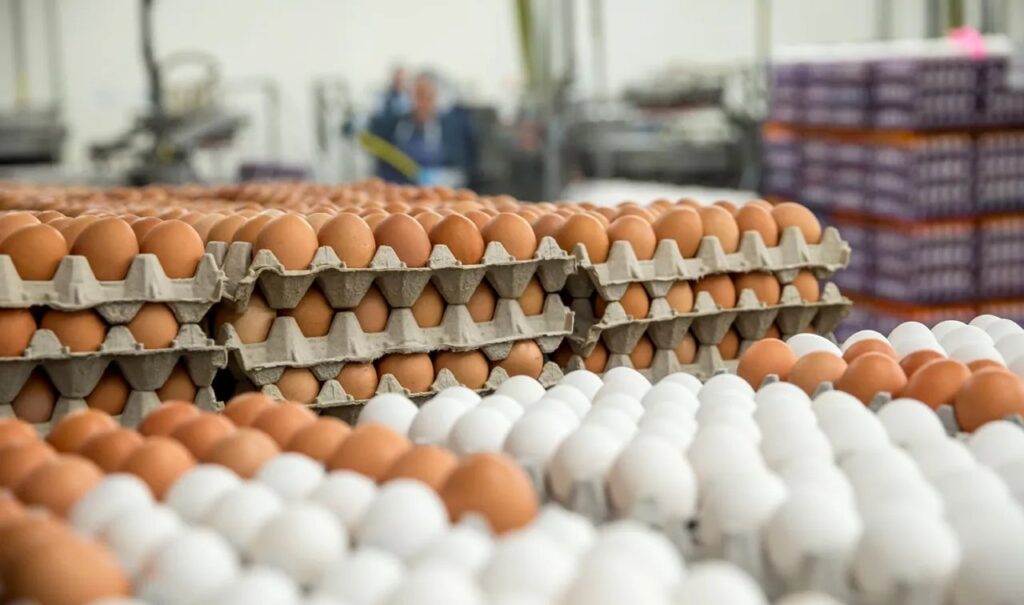
NEW DELHI: The Food Safety and Standards Authority of India (FSSAI) has clarified that eggs available in the country are safe for human consumption, dismissing recent claims linking egg consumption to cancer risk as misleading, scientifically unsupported and likely to create unnecessary public alarm.
Responding to media reports and social media posts alleging the presence of carcinogenic substances such as nitrofuran metabolites (AOZ) in eggs, FSSAI officials stated that the use of nitrofurans is strictly prohibited at all stages of poultry and egg production.
The authority explained that an Extraneous Maximum Residue Limit (EMRL) of 1.0 µg/kg has been prescribed for nitrofuran metabolites only for regulatory enforcement. This limit represents the minimum level detectable by advanced laboratory methods and does not imply that the substance is permitted. Detection of trace residues below this level does not constitute a food safety violation nor indicate any health risk, officials said.
FSSAI also underlined that India’s food safety regulations are in line with international practices. Both the European Union and the United States ban the use of nitrofurans in food-producing animals and use similar reference or action levels solely for enforcement purposes.
On public health concerns, the authority cited scientific evidence showing no established causal link between trace-level dietary exposure to nitrofuran metabolites and cancer or other adverse health effects in humans. It reiterated that no national or international health body has linked normal egg consumption with an increased cancer risk.
Addressing reports related to testing of a specific egg brand, FSSAI said such findings are isolated and batch-specific, often due to inadvertent contamination or feed-related factors, and are not representative of the country’s overall egg supply. Generalising such isolated laboratory results to label eggs as unsafe is scientifically incorrect, the authority emphasised.